

By PW Maines on Oct 22, 2026, 11:00:02 AM
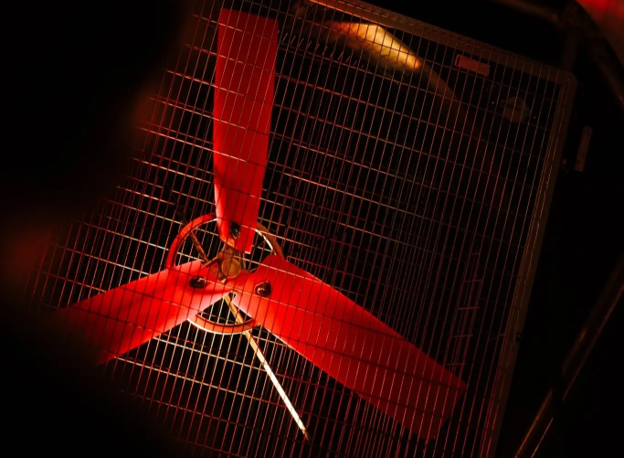
Good ventilation is one of the foundations of a healthy, productive flock. It helps control temperature, remove moisture and gases and keep the air fresh for birds and farm staff alike. But ventilation isn’t a single approach that works in every situation. Different weather conditions, bird ages and building designs all call for different strategies.

In this poultry house ventilation guide, we look at the main types of ventilation in poultry house management and how each approach supports bird welfare and performance.
1. Natural Ventilation
Natural ventilation is the simplest approach. It relies on wind and temperature differences to move air through the building without powered fans. Openings such as side curtains, ridge vents and inlets allow fresh air to enter while warm, stale air rises and escapes.
Natural ventilation can work well in some buildings and climates, and it has the advantage of low running costs. However, it depends heavily on the weather. On still days, airflow can drop off, while strong winds can create draughts and uneven conditions. For many commercial operations, that lack of control makes it difficult to maintain consistent house conditions throughout the year.
2. Mechanical Ventilation
Mechanical ventilation uses powered fans to control airflow. A mechanical poultry house ventilation system can remove heat, moisture, dust and stale air more consistently than natural airflow, regardless of what the weather is doing outside.
Most modern commercial poultry houses use some form of mechanical ventilation, often with fans working together with carefully positioned air inlets. When linked to automated controls, the system can adjust fan speeds and inlet openings to match conditions inside the house.
Within mechanical ventilation, there are three main operating modes that farms move between depending on the season and the age of the flock.
3. Minimum Ventilation
Minimum ventilation is used during colder weather and when birds are young. The aim is to provide enough fresh air to remove moisture and gases while helping retain heat inside the poultry house.
Too little ventilation allows humidity and ammonia to build up, leading to damp litter and poor air quality. Too much ventilation can waste heat and chill younger birds. Well-managed minimum ventilation brings fresh air into the house while helping it mix with warmer air before reaching the birds.
4. Transitional Ventilation
As temperatures rise or birds grow and produce more heat, minimum ventilation may no longer provide enough airflow. Transitional ventilation increases ventilation rates to remove additional heat without creating the high air speeds associated with full tunnel ventilation.
This approach is particularly useful during spring and autumn, when temperatures can vary significantly between morning and afternoon. It gives farms greater flexibility by allowing airflow to increase gradually as conditions change.
5. Tunnel Ventilation
Tunnel ventilation is designed for hot weather. Large fans at one end of the poultry house pull air along its full length, drawing fresh air in through openings at the opposite end.
This creates higher air speeds across the birds, producing a wind-chill effect that helps them lose body heat more effectively. During hotter conditions, tunnel ventilation can make a significant difference to bird comfort and help reduce the risk of heat stress.
Choosing The Right Poultry House Ventilation System
There is no single best ventilation system for every poultry farm. The right approach depends on several factors:
- Shed design – the size, shape, insulation and orientation of the building.
- Bird type and age – broilers, layers, breeders and younger birds all have different requirements.
- Stocking density – larger numbers of birds generate more heat, moisture and gases.
- Climate – local weather patterns affect how much ventilation is needed throughout the year.
- Environmental control requirements – ventilation must work alongside wider welfare, emissions and environmental management goals.
In practice, many modern poultry houses use several ventilation modes throughout the production cycle, moving between minimum, transitional and tunnel ventilation as conditions change.
Understanding the different types of ventilation in poultry house management helps producers choose a system that can respond effectively to changing flock and weather conditions.
The key is a well-designed poultry house ventilation system with controls that manage those transitions smoothly and consistently.
Integrating Ventilation With Heating And Controls
Ventilation does not work in isolation. It needs to operate alongside heating, climate control and monitoring systems to maintain stable poultry house conditions. When these systems are integrated, the house can respond to changes in temperature, humidity and air quality more effectively than when each system is managed separately.
A well-designed ventilation system should distribute airflow evenly, reduce dead zones and minimise draughts while ensuring stale air, excess moisture and gases are removed effectively.
With extensive industry experience and partnerships with leading manufacturers, PW Maines helps poultry farms across the UK create ventilation systems suited to their buildings, flocks and operating requirements.
Looking to improve airflow and environmental control in your poultry houses? Speak to the PW Maines team to discuss your poultry house ventilation system.
No Comments Yet
Let us know what you think