
By PW Maines on Jul 30, 2026, 11:00:00 AM
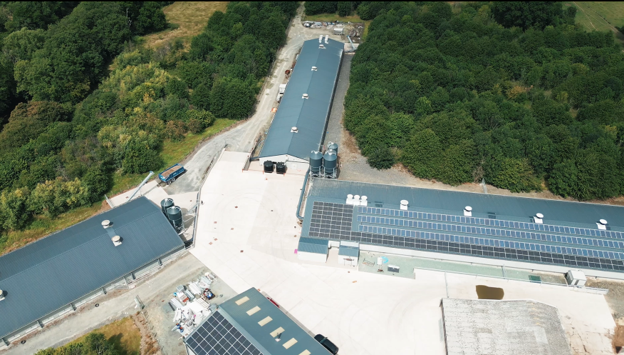
Summer temperatures in the UK are reaching unprecedented highs, with recent heatwaves breaking historical records across the country. While a heatwave might be welcome news if you're heading to the beach, it's a different story if you're responsible for keeping thousands of birds comfortable in a shed. Keeping poultry housing cool enough for birds to perform well is a genuine challenge, and as global temperatures continue to climb, it's one that isn't going away.

Effective poultry house ventilation is one of the most important tools farm owners and operations leads have for managing this, and getting it right makes a measurable difference to flock welfare and output.
Why Ventilation Matters More Than Ever In Summer
Poultry house ventilation works by replacing warm air with fresh air, helping to maintain safer shed temperatures even when conditions outside are hot. It's not about dramatically cooling the air, and in many cases the temperature outside a shed is similar to, or even higher than the temperature inside. Instead, ventilation creates air movement, generating a wind chill effect that helps birds lose body heat more effectively, even without a drop in the actual air temperature.
This distinction is important when planning a ventilation strategy. The goal isn't always to chase a lower number on the thermometer. Chickens have a naturally high body temperature of between 40.5°C and 41.7°C. Because they lack sweat glands, overheating becomes a real risk, particularly during periods of hot weather.
Effective poultry house ventilation helps to:
- Maintain safer shed temperatures
- Improve airflow throughout the poultry house
- Reduce humidity build-up
- Minimise heat stress in poultry
- Support bird welfare and flock performance
How Airflow Reduces Heat Stress In Poultry
Consistent air movement is central to managing heat stress in poultry. When airflow is steady, birds can lose body heat more effectively during hot weather, which supports both comfort and performance. Maintaining adequate airflow is one of the most effective ways to help reduce heat stress during periods of high temperature.
Fresh air circulation also prevents heat building up in pockets around the shed. Without it, hot spots and stagnant air can develop, particularly in areas with limited airflow, increasing the risk of localised stress within the flock. As extreme heat events become more frequent, sheds that were never designed for these conditions are increasingly struggling to maintain stable environments.
Managing Humidity Alongside Temperature
Temperature isn't the only factor at play. Poultry ventilation systems also help reduce moisture build-up, which can otherwise make heat stress worse. Lower humidity creates more stable shed conditions, helping birds cope better even when outdoor conditions are challenging.
Humidity and temperature work together to influence bird comfort, so effective ventilation strategies need to manage both rather than treating them as separate issues.
The Role Of Automated Systems
Modern poultry ventilation systems don't run on a fixed setting throughout the day. Instead, automated systems respond to changing temperatures, adjusting airflow as conditions shift to maintain more consistent shed environments. This reduces the burden on farm staff while improving reliability, since the system reacts to real conditions rather than relying solely on manual checks made at set times of day.
Modern poultry ventilation systems can help:
- Automatically respond to changing temperatures
- Maintain consistent airflow throughout the shed
- Reduce humidity and stale air
- Support bird welfare during hot weather
- Reduce the need for manual ventilation adjustments
For farms looking at additional cooling options, misting systems offer another layer of support. By pulsing a fine mist of water into the shed, these systems can help reduce air temperature directly, working alongside ventilation rather than replacing it. On the hottest days, that combination of moving air and direct cooling can make a meaningful difference to bird comfort.
Supporting Welfare And Performance
Ultimately, effective ventilation supports both bird welfare and flock performance. Cooler, more stable poultry house conditions help reduce stress, and reduced stress tends to translate into more consistent productivity. The link between poultry house conditions and flock performance is well recognised, making effective ventilation an important part of day-to-day flock management.
For farms reviewing their current setup, it's worth asking whether existing systems can respond quickly enough to summer conditions, or whether they're relying on infrastructure that was designed for a different climate reality. With UK temperature records continuing to be broken, poultry ventilation systems that were once considered adequate may simply no longer be enough.
Cut The Risk This Summer
As summer temperatures become increasingly unpredictable, effective poultry house ventilation is no longer just about maintaining comfort. It plays a vital role in reducing heat stress, supporting bird welfare, and helping farms maintain consistent flock performance throughout the warmer months. Reviewing your current ventilation strategy before peak summer conditions arrive can help identify opportunities to improve airflow, environmental control, and overall poultry house efficiency.
Looking to reduce the risk of heat stress and improve poultry house ventilation this summer? Contact the PW Maines team to request a poultry shed site visit and discuss ventilation solutions tailored to your poultry operation.

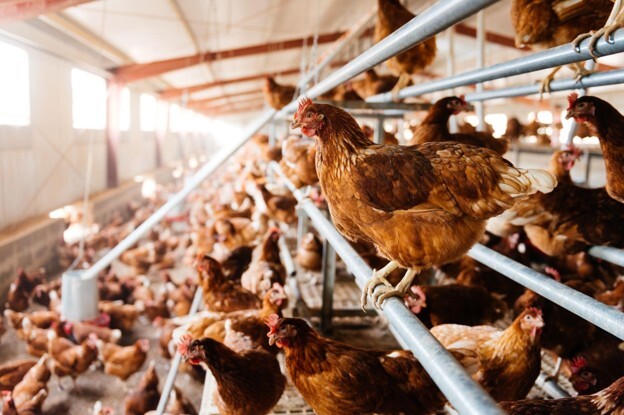
The Effects Of Heat Stress In Poultry During Hot Weather
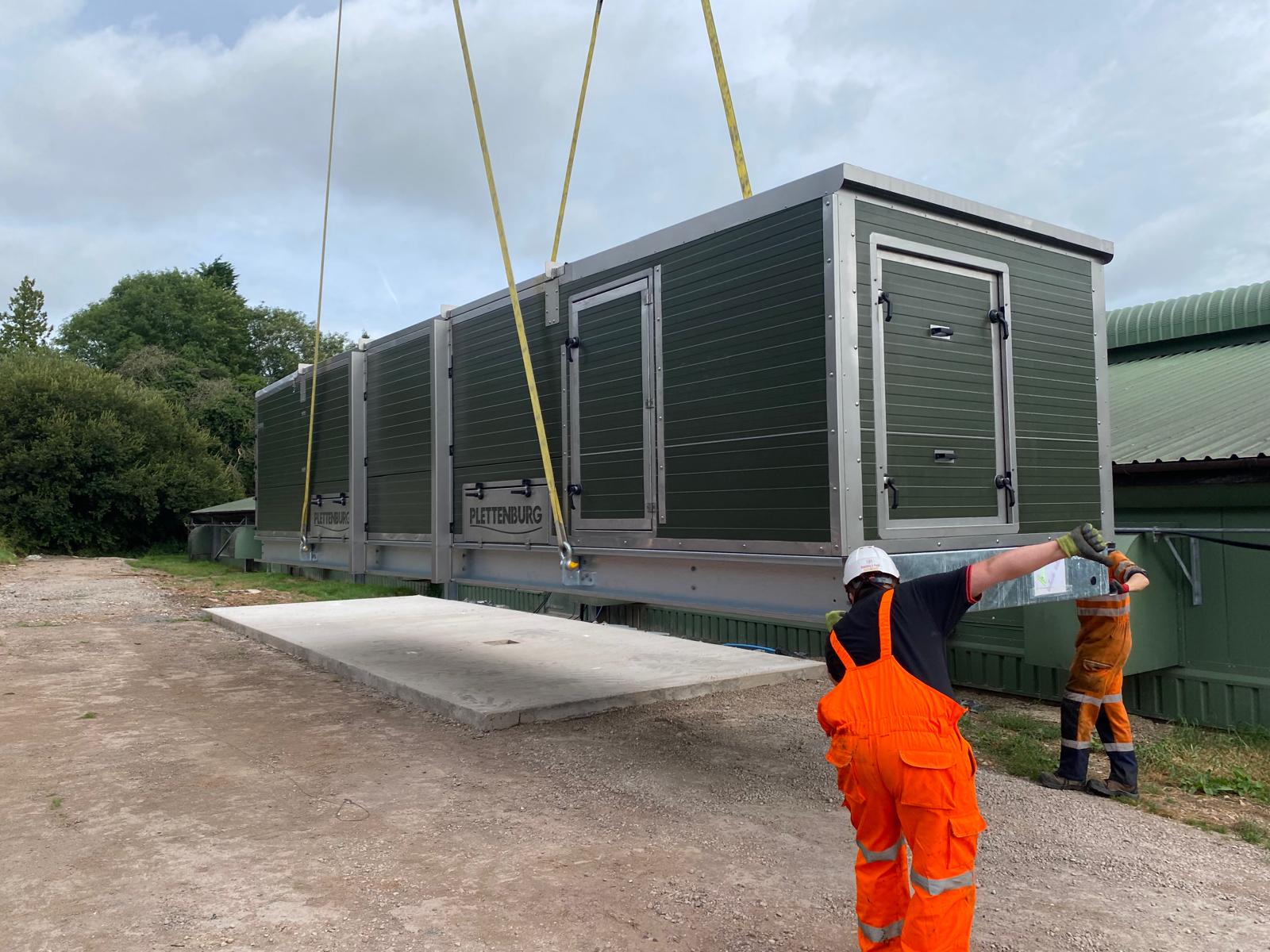
Installation of Heat Exchangers in Staffordshire Broiler Farm
No Comments Yet
Let us know what you think