

By PW Maines on Aug 18, 2026, 11:00:01 AM
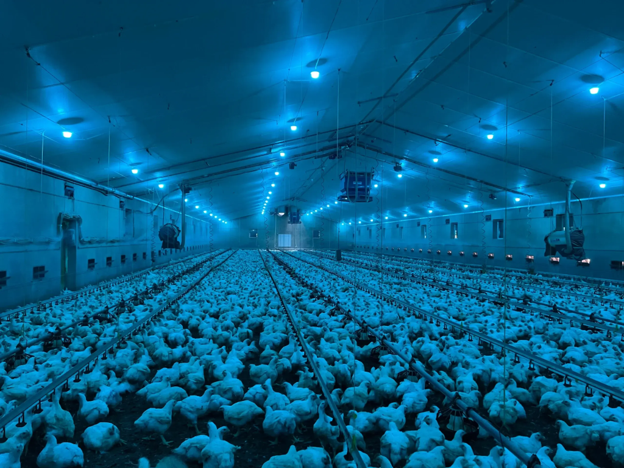
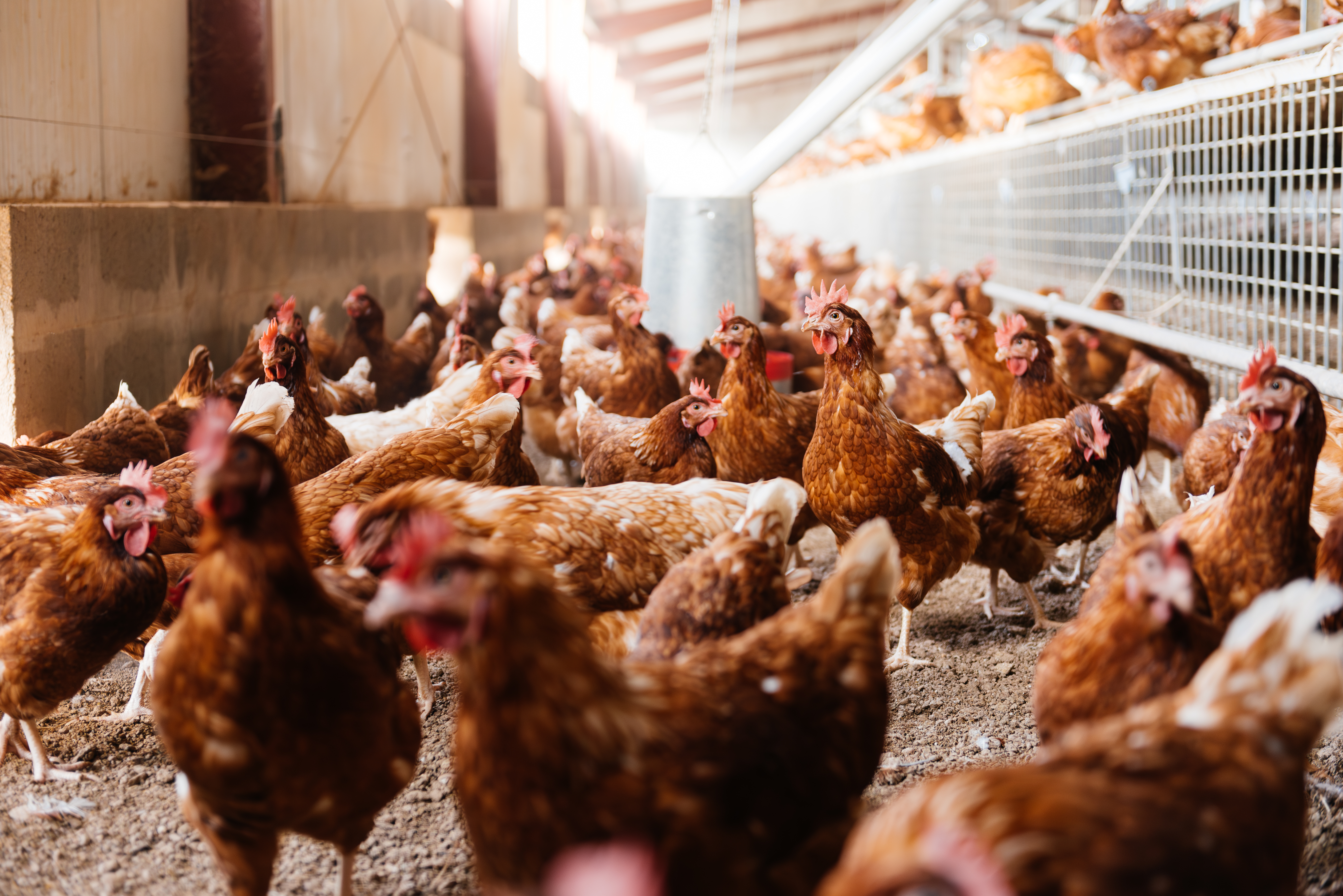
Lighting often takes a backseat when farms think about shed upgrades, yet it plays a far bigger role in bird welfare and performance than many realise. Getting poultry house lighting right not only gives staff good visibility but also creates conditions suited to how birds behave and respond to their environment. The difference between a well-designed system and a basic one can be seen across the flock, with effective lighting helping to reduce stress and support more natural behaviour.

Why Lighting Affects More Than Just What Birds Can See
Poultry house lighting helps maintain more stable bird behaviour, and that effect goes deeper than simple illumination. Lighting systems from Once, a Signify brand, are designed to support birds’ natural circadian rhythms by creating controlled patterns of light and darkness. Lighting that follows a controlled daily rhythm can help reduce stress and create a calmer poultry house environment.
This is important for birds because, like most animals, they respond to light cycles in ways that affect feeding, resting, and general behaviour. A lighting setup that ignores these natural patterns can leave a flock subtly out of sync with its environment, even if nothing looks obviously wrong on the surface. Over time, that mismatch can quietly undermine welfare and performance in ways that are all too easy to miss without close monitoring.
Well-designed poultry house lighting can help:
- Support natural feeding and resting patterns
- Reduce stress and unsettled behaviour
- Improve flock consistency
- Maintain more predictable shed conditions
- Support bird welfare and performance
The Shift To LED Poultry Lighting
LED poultry lighting has become the standard for good reason. Modern LED systems can provide more consistent light levels throughout poultry houses, reducing the flickering and uneven coverage associated with many older lighting setups. Keeping the environment consistent is essential for bird comfort, since uneven lighting can create areas of the shed that feel noticeably different to birds even when staff barely notice the difference.
Lighting for broilers in particular benefits from this kind of control. Controlled lighting programmes help support feeding patterns, rest periods, and overall bird condition, giving farms greater control over flock behaviour than many older lighting systems could provide. Many farms running older fluorescent or incandescent setups don't realise how much variation exists across a shed until they see the difference a properly specified LED system makes.
What Happens When Lighting Gets It Wrong
Poor poultry house lighting can affect bird comfort and productivity in ways that aren't always immediately obvious. Uneven or inconsistent lighting conditions can increase stress and disrupt flock behaviour, sometimes showing up as restlessness or inconsistent feeding patterns rather than any single dramatic symptom. Lighting conditions are closely linked to poultry behaviour, so uneven or poorly controlled light should be treated as a genuine welfare and performance issue.
This is one of the reasons lighting deserves the same level of scrutiny as ventilation or feeding systems when farms are reviewing shed performance. It rarely causes a single obvious failure, but its cumulative effect on welfare and consistency can be considerable.
Efficiency Gains Alongside Welfare Benefits
The welfare benefits of LED poultry lighting are significant, but they are not the only reason to consider an upgrade. LED systems use less energy and require less maintenance than older lighting setups, which is a key consideration at a time when energy costs are under constant scrutiny on every farm. Modern LED systems combine more consistent lighting with lower energy use, allowing farms to improve shed conditions without increasing running costs.
LED poultry lighting can provide:
- Lower electricity consumption
- More consistent light distribution
- Reduced maintenance requirements
- Longer operating life
- Better control over lighting intensity and timing
These operational benefits can make lighting one of the more straightforward elements to justify within a wider poultry house modernisation project.
Designing For Stability, Not Just Brightness
Well-designed poultry house lighting supports more consistent shed conditions overall. The aim isn't simply to make a shed brighter. It's to create lighting that behaves predictably, supports natural bird behaviour, and integrates with the wider environmental conditions inside the house, including ventilation and temperature control.
For farms reviewing their current lighting, it's worth considering whether existing systems are doing more than providing basic visibility. Lighting for broilers should be designed around bird behaviour, feeding patterns, and rest periods to support steadier performance across the whole flock. Systems installed primarily for human convenience rather than flock welfare often struggle to achieve the same results. A site visit is often the easiest way to identify exactly where a current system is falling short.
Effective poultry house lighting supports natural bird behaviour, more consistent flock performance, and lower energy use. Reviewing your existing system can help identify uneven coverage, outdated fittings, and opportunities to improve lighting control across the shed.
Looking to improve poultry house lighting and flock conditions? Request a poultry lighting site visit from the PW Maines team to discuss a system suited to your poultry operation.
PW Maines At The British Pig & Poultry Fair 2026: Poultry Housing, Lighting, And Environmental Control In Focus
How Poultry House Ventilation Reduces Heat Stress During Summer
No Comments Yet
Let us know what you think