
By PW Maines on Aug 25, 2026, 11:00:00 AM
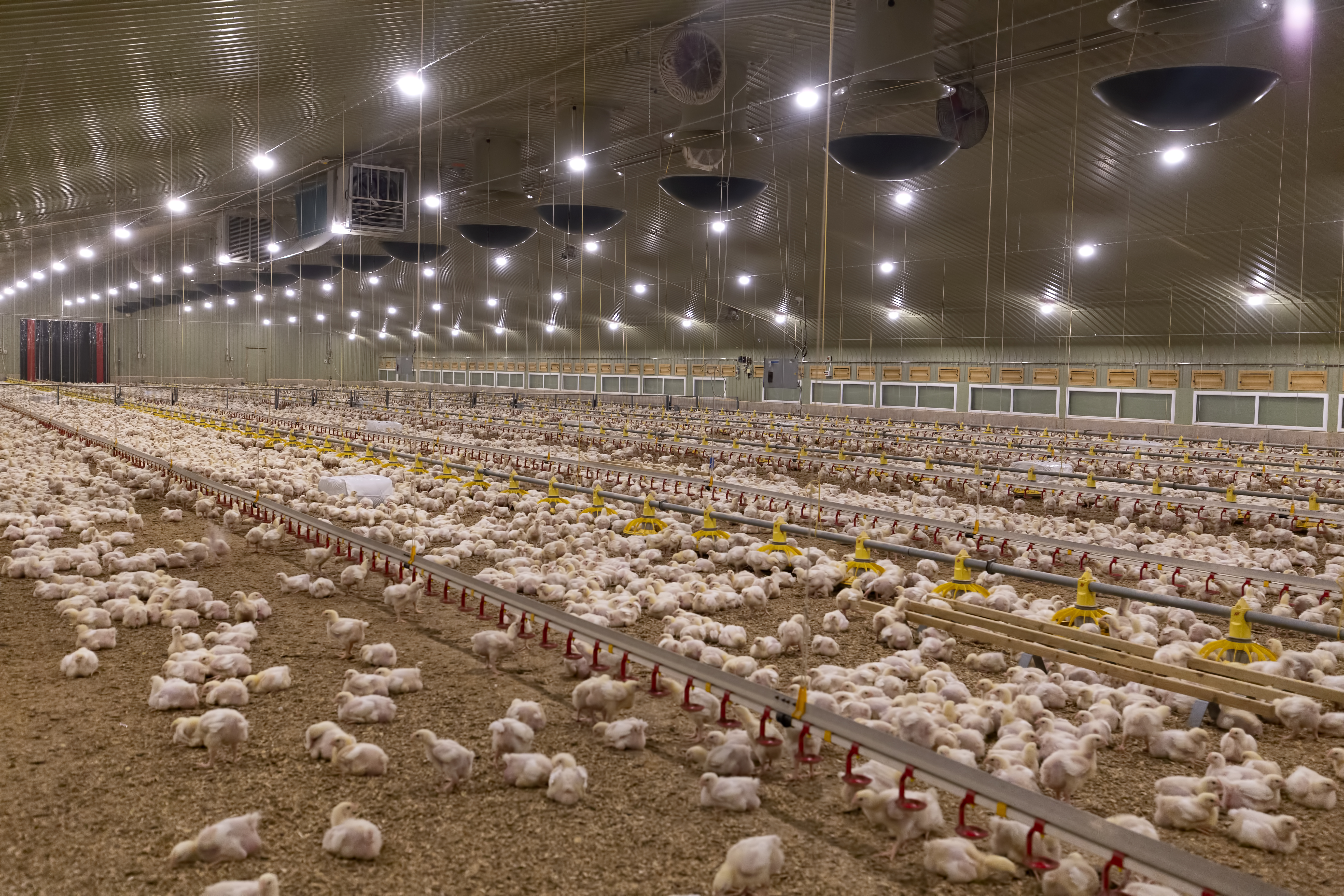
Feeding your flock regularly is one of the fundamentals of poultry management, but does it really matter exactly when birds are fed?

The answer is a resounding yes. Feeding is one of the areas where inconsistency tends to have the most direct effect on flock performance. Automated feeding systems offer a more reliable and controllable alternative to manual feeding, with benefits that extend from bird welfare through to farm efficiency, cost reduction, and long-term operational management.
Why Feeding Consistency Is Vital For A Healthy Flock
Before looking at what automated systems deliver, it's important to understand why feeding consistency is so important in a commercial poultry context. Birds that have reliable, consistent access to feed tend to grow more uniformly, waste less energy on competition for access, and maintain steadier body condition throughout the grow-out period. Inconsistent feeding, whether in terms of timing, volume, or distribution across the shed, introduces variability that compounds over the course of a full cycle.
Manual feeding systems, however carefully managed, are inherently subject to variation. Timing shifts, mismeasurements caused by human error, and the practical constraints of managing large sheds all introduce a level of inconsistency that automated systems are specifically designed to eliminate.
Automated chicken feeders help poultry farms by:
- Delivering feed consistently throughout the day.
- Reducing manual workload.
- Minimising feed waste.
- Supporting bird welfare.
- Improving flock management.
- Integrating with wider environmental control systems.
More Consistent Feeding Routines
Automated chicken feeders help maintain more consistent feeding routines by providing controlled feed distribution throughout the day. An automatic chicken feeder system supports more stable flock management by ensuring birds have access to feed at the right times and in the right quantities, reducing the peaks and troughs that manual feeding schedules often produce.
Providing feed at consistent times and in controlled quantities helps create more predictable feeding behaviour across the flock. For larger poultry houses, automated feeding systems also improve the consistency of feed distribution, helping ensure birds throughout the shed have equal access to feed while supporting more uniform flock performance.
Improving Farm Efficiency
Automated feeding systems can improve poultry farm efficiency by reducing the manual workload associated with daily feeding tasks. For operations leads already managing ventilation, environmental monitoring, and general flock oversight, removing routine feeding management from the manual checklist frees up time and reduces the risk of tasks being delayed or missed during busy periods.
This efficiency gain tends to be more significant on larger operations or farms managing multiple sheds, where the cumulative time commitment of manual feeding across several sites can be considerable. These efficiency gains become particularly valuable on larger poultry farms, where reducing manual feeding tasks allows staff to focus on wider flock management and environmental control.
Reducing Feed Waste
Feed represents one of the largest operating costs in commercial poultry farming, making efficient feed management an important priority for producers. Automatic chicken feeders help reduce feed waste by delivering feed more accurately and consistently throughout the day. Controlled feed distribution helps minimise unnecessary spillage and over-delivery while ensuring birds have reliable access to feed.
Feed wastage is a cost that's easy to underestimate on a per-bird basis but adds up significantly across a large commercial flock over a full grow-out cycle. Modern feeding systems are designed to minimise spillage and over-delivery, helping farms get more value from their feed spend without compromising bird access.
Reducing feed waste helps improve overall efficiency by ensuring more of the feed purchased contributes directly to flock performance rather than being lost through unnecessary waste.
Supporting Bird Welfare
Automated feeding systems support bird welfare and flock performance by maintaining more stable poultry house conditions around feeding behaviour. Consistent feeding schedules help reduce competition at feeders, support more even growth across the flock, and contribute to calmer shed conditions overall. Birds that aren't competing for inconsistent feed access tend to display less stress-related behaviour, which in turn supports better welfare outcomes throughout the cycle.
Ultimately, automated chicken feeders support healthier bird behaviour, reinforcing the connection between consistent feeding routines, improved welfare, and more reliable flock performance.
Scaling For Larger Operations
An automatic chicken feeder system helps support larger commercial poultry operations by allowing farms to manage feeding more effectively across larger poultry housing environments. As flock sizes and site complexity increase, the limitations of manual feeding management become more pronounced. Automated systems scale in a way that manual approaches simply can't, maintaining the same reliable level of feed distribution across a large, complex operation as they do within a single shed.
Modern automated feeding systems support smarter poultry farm management when integrated with wider environmental control platforms. Bringing feeding, ventilation, and environmental control together helps producers maintain more consistent poultry house conditions while reducing the need for manual intervention. For farms already using or considering automation, integrated systems provide greater visibility and control across the entire poultry operation.
Looking to improve feeding consistency and poultry house efficiency? Request a site visit from the PW Maines team to discuss automated feeding systems for your farm.
Image Source: Envato
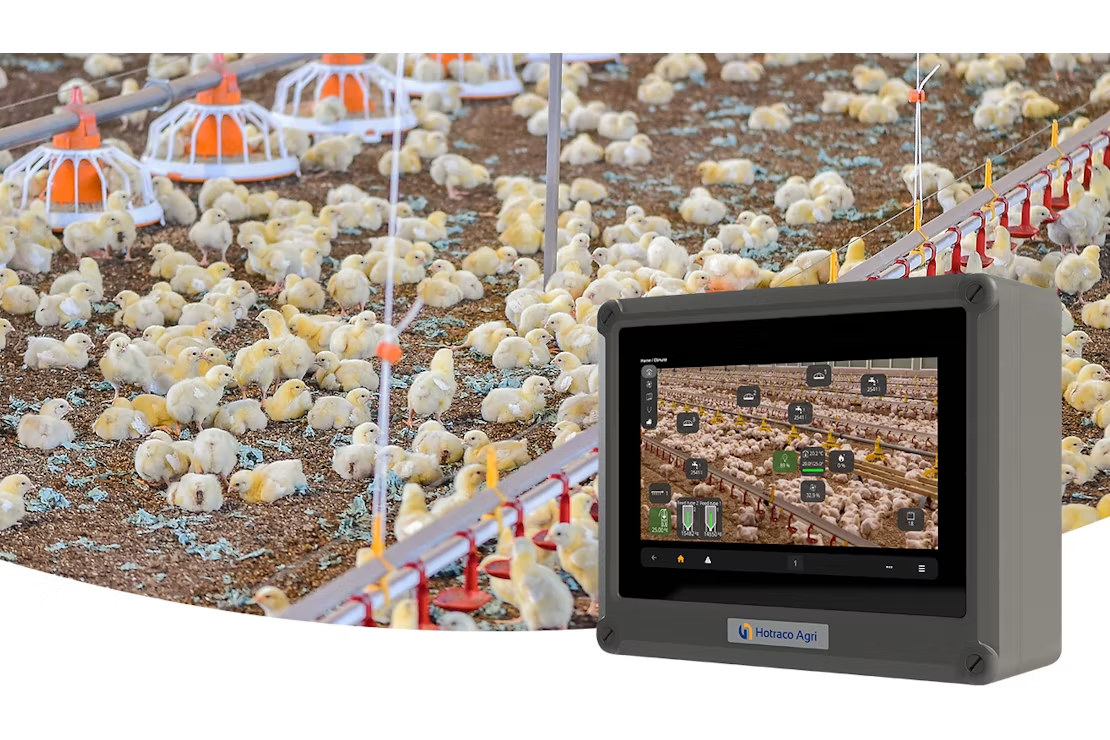
Discover Fortica Max by Hotraco
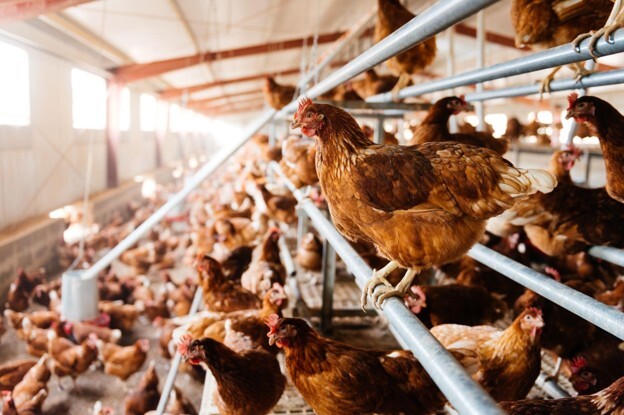
The Effects Of Heat Stress In Poultry During Hot Weather
No Comments Yet
Let us know what you think