

By PW Maines on Aug 6, 2026, 11:00:00 AM
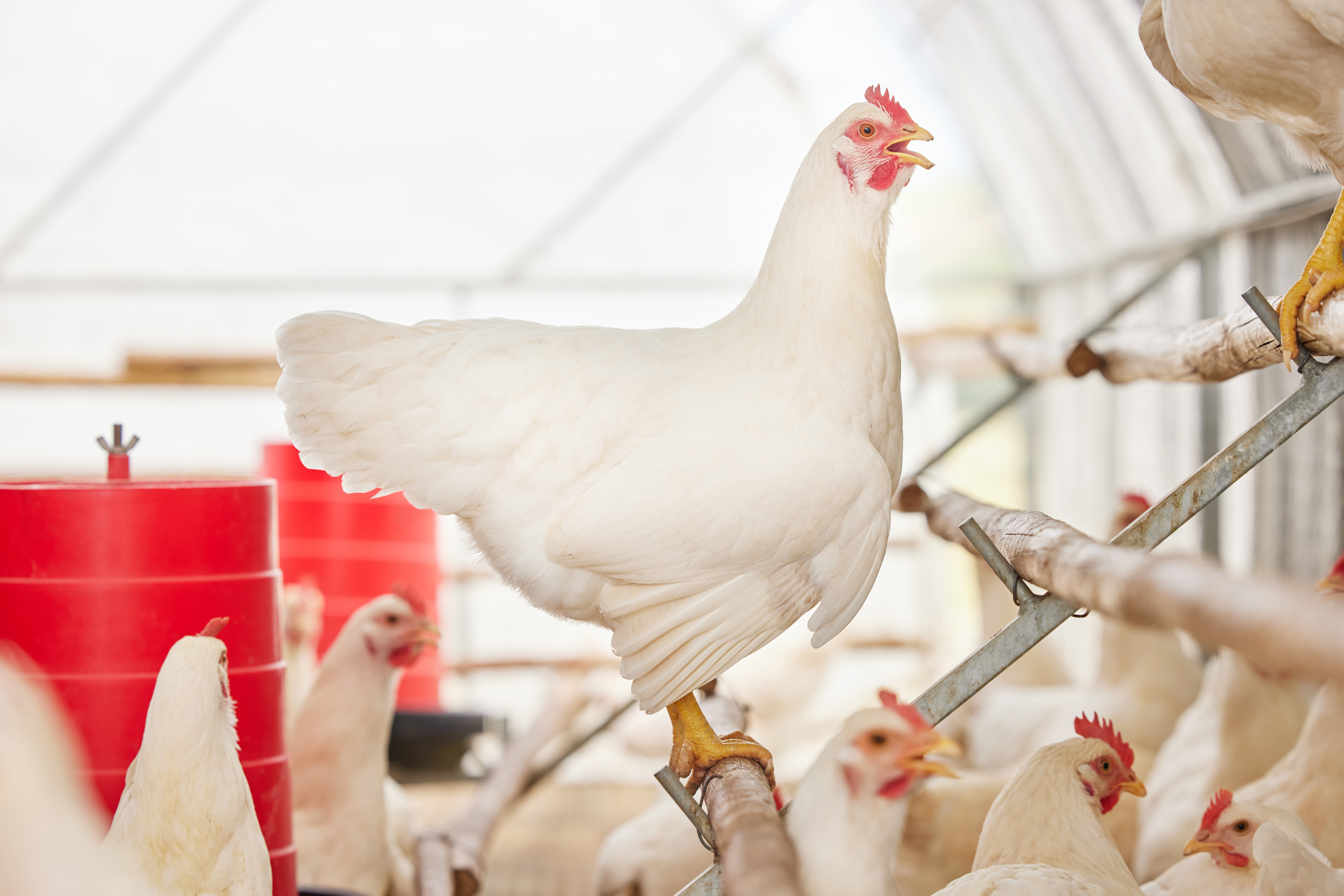
Environmental control has moved from being a nice-to-have to a genuine priority for UK poultry farms. Rising temperatures, increasing regulatory attention, and growing public scrutiny mean that managing shed conditions properly is no longer just about day-to-day efficiency. It's becoming central to the way modern poultry farms operate, and farms that haven't reviewed their environmental management recently may find they're further behind the curve than they realise.

Environmental control for poultry farms is becoming an essential part of modern flock management, helping producers maintain healthier birds, better air quality, and more consistent poultry house conditions throughout the year.
What Environmental Control Actually Means
An environmental control system for poultry houses helps maintain more stable conditions by regulating temperature, airflow, and humidity levels throughout the shed. Rather than treating these as separate concerns, modern systems manage them together, recognising that temperature, airflow, and moisture all influence each other constantly.
This integrated approach is what allows environmental control to improve air quality in poultry houses more effectively than addressing individual issues in isolation. Managing airflow and moisture levels together helps improve poultry house conditions and reduce stale air, rather than fixing one problem only to find another has developed elsewhere in the shed. For farms still managing these factors independently, the shift to integrated environmental control often delivers greater overall improvements than upgrading individual systems in isolation.
Effective environmental control helps to:
- Maintain stable temperatures throughout the poultry house.
- Improve airflow and air quality.
- Control humidity and moisture levels.
- Support ammonia control in poultry houses by reducing ammonia build-up.
- Support bird welfare and flock performance.
- Create more consistent poultry house conditions.
Ammonia Control Is Becoming A Bigger Priority
Ammonia control in poultry houses is becoming increasingly important, and not just for bird welfare. Better ventilation and moisture management help reduce ammonia build-up inside poultry sheds, but the conversation around ammonia has shifted in recent years to include environmental impact beyond the shed itself.
This shift has been driven partly by increasing environmental scrutiny around poultry farming. Recent River Severn pollution discussions and the High Court ruling involving River Action and Shropshire Council have brought ammonia control and poultry farm management into sharper public focus. The case highlighted the growing importance of considering environmental impacts, including waste management, when assessing new poultry developments.
For farms, this means environmental control is no longer just an internal management issue. It's increasingly connected to compliance, planning decisions, and public confidence in the industry. Farms that can demonstrate effective environmental control and well-managed ammonia levels are likely to be better placed when planning applications, assurance scheme audits, or environmental reviews come into play.
Climate Pressure Is Adding To The Case
Changing weather conditions are increasing pressure on poultry farms in a way that's becoming difficult to ignore. Rising temperatures and changing seasonal conditions make stable environmental control more important, particularly as extreme weather events become less of an occasional disruption and more of a recurring challenge to plan around.
Environmental considerations are becoming an increasingly important part of poultry farm planning, rather than something addressed after key management decisions have already been made. Farms investing in an environmental control system for poultry houses that automatically responds to changing conditions are better equipped to maintain stable poultry house environments during increasingly unpredictable weather.
The Link To Welfare And Performance
None of this comes at the expense of bird welfare. Better environmental control supports bird welfare and flock performance directly. More stable poultry house conditions help reduce stress and support healthier flock environments, which means the business case and the welfare case for investing in environmental control tend to point in the same direction.
Young chicks cannot regulate their body temperature effectively during the early stages of life, making stable environmental conditions particularly important. Maintaining suitable temperature, airflow, and humidity supports healthy development, bird welfare, and more consistent flock performance.
A Shift Farms Can't Afford To Ignore
What's changing isn't the underlying science behind environmental control. Temperature, airflow, and humidity have always mattered to bird welfare. What's changing is the level of external attention now being paid to how poultry farms manage these factors, whether that's from regulators, courts, or local communities.
Reviewing your environmental control systems now can help improve poultry house conditions, support bird welfare, and create more consistent flock performance. Farms with reliable, well-managed systems are better placed to respond to changing environmental, operational, and regulatory demands. A site visit from PW Maines is often the easiest way to identify where improvements can be made and what a practical upgrade path could look like.
Looking to improve poultry house conditions through better environmental control? Speak to the PW Maines team about systems designed to support healthier birds, improved air quality, and more consistent flock performance.
Image Source: Envato

PW Maines At The British Pig & Poultry Fair 2026: Poultry Housing, Lighting, And Environmental Control In Focus
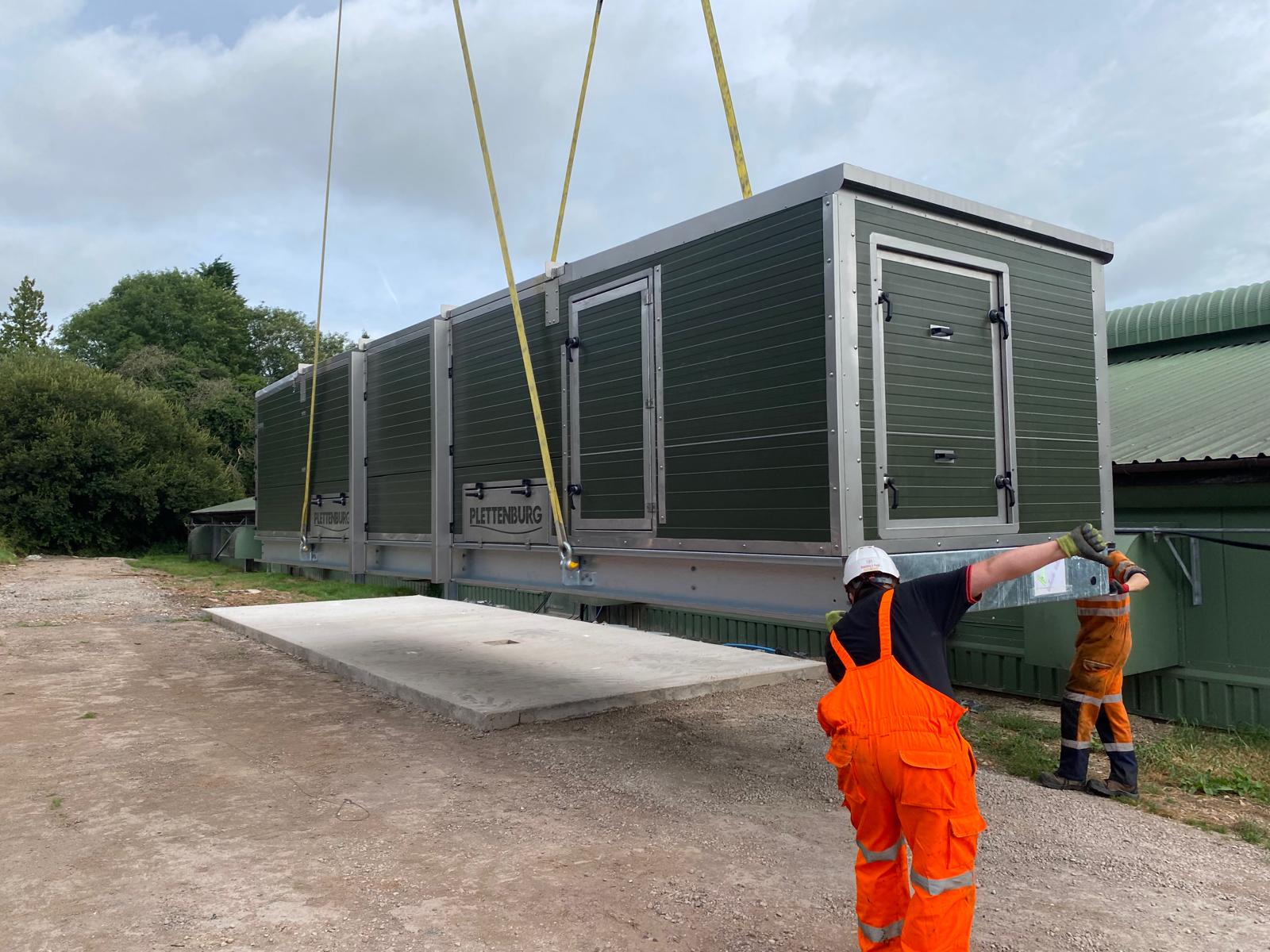
Installation of Heat Exchangers in Staffordshire Broiler Farm
No Comments Yet
Let us know what you think